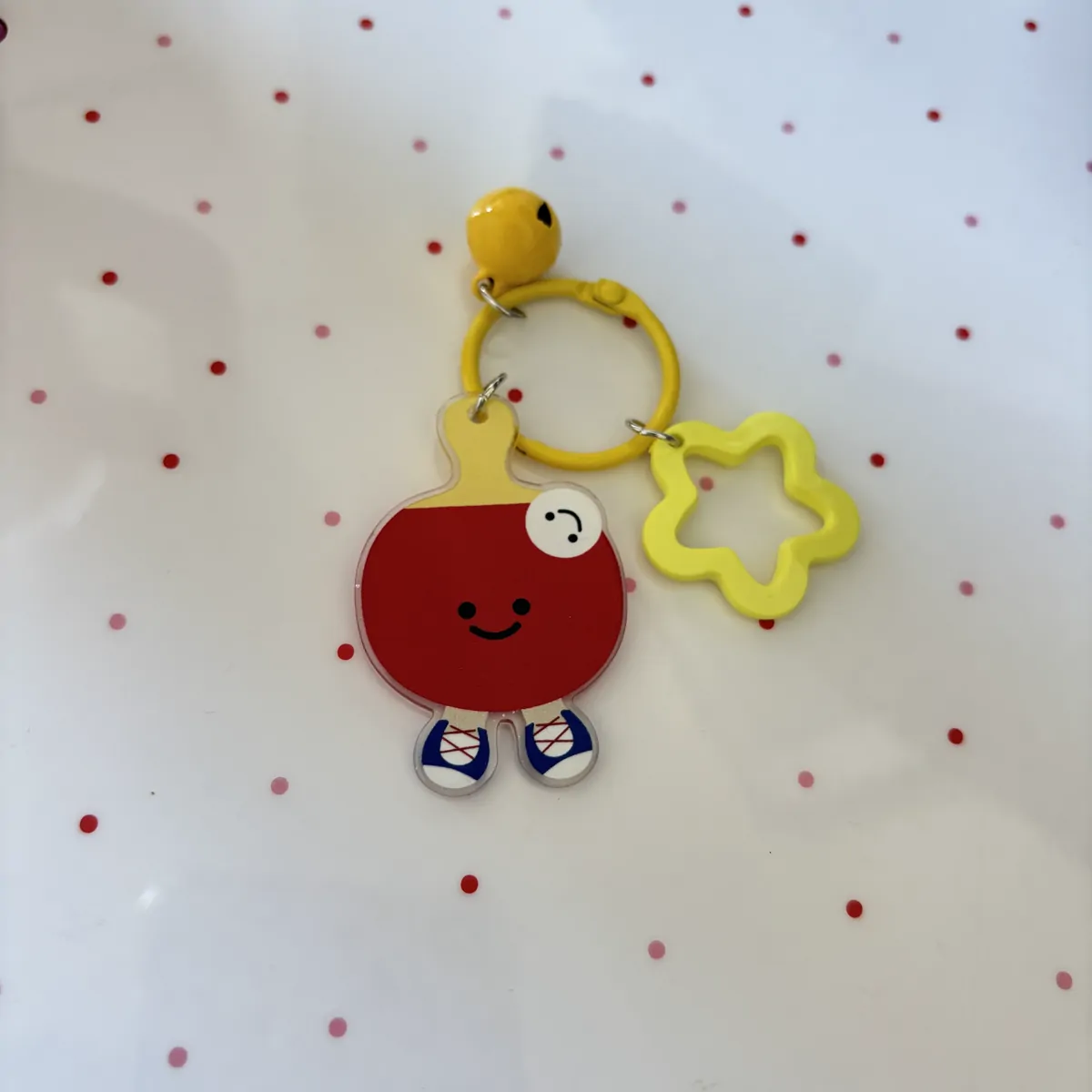
I left my first one with a keychain.
A keychain, four brochures, and a folder of information that was already on the school’s website. I had questions written down. They were the wrong questions — curriculum, textbooks, timetable — and every one of them was answered in a PDF I could have read at home in my pyjamas.
So here is the list I use now. It isn’t clever. It’s just the stuff that actually decides whether your family can live with a school, and almost none of it is published anywhere.
Ask where the children eat lunch
Not what’s on the menu. Where. At their desks, in a hall, in shifts, outside. Whether they bring it or the school provides it, and what happens if your child won’t eat what’s provided.
It sounds small. It’s forty minutes of your child’s day, every day, and it tells you more about how a school actually runs than any curriculum page will.
For P1: ask how they handle the jump from kindergarten
Kindergarten is three or four hours of play, if you’re on a half day. Primary One is a full day with a desk and homework. That’s an enormous jump for a six-year-old, and schools vary hugely in how much thought they’ve given it.
Ask what the first two weeks look like. If the answer is vague, that’s your answer.
Ask what time the bus reaches your estate
Not “is there a school bus.” Not the route map. What time it stops where you live, and what time it drops off.
I had a school narrowed down. It was my top choice. I’d already pictured us there.
The pickup time at my estate. A six-year-old dressed, fed and out the door by half six — every morning, for six years.
Nobody was ever going to put that on a brochure. I had to ask.
Ask how you pay, and when
Monthly or by term. What’s included and what isn’t. Whether there are costs that arrive separately — books, uniform, trips, activities, a lunch plan.
You’re not being rude. You’re asking what it costs to send your child there, which is the most normal question a parent has.
Ask how much homework — and what you need on the table to do it
Both halves matter. “A worksheet a night” means nothing on its own. Ask how long it actually takes a P1 child to finish, honestly, on a weekday evening with other kids in the room fighting for your attention.
Then ask what the homework needs. Do I need a tablet out? A laptop? His worksheets, and a printer? Should I have a fax machine standing by? I’d like to know that before I commit, not in October.
And ask whether any of it needs a parent who reads Chinese. If you can’t help with the homework, that isn’t a small detail. It’s six years.
Ask where the non-Chinese-speaking children sit
This is the one I’d ask first if I could only ask one, and there are two very different answers hiding inside it.
Extra Chinese support is good. More teachers, a second-language curriculum, small-group help — that’s a school taking your child seriously.
A separate class is not. If non-Chinese-speaking children are taught apart from everyone else, ask a lot more questions before you go further.
That isn’t just my opinion. Hong Kong ran a “designated school” policy from 2006 that concentrated non-Chinese-speaking children onto a short list of campuses. The UN Committee on the Rights of the Child called it de facto discrimination, and the label was dropped in 2013. In that same year the Education Bureau wrote, on its own website.
“These schools tend to adapt the Chinese Language curriculum with a pre-set simpler content… the lack of an immersed Chinese environment in these schools is not conducive to NCS students’ learning of the Chinese Language.”
Education Bureau, Clear the Air, 12 December 2013
The label went. The clustering didn’t — non-Chinese-speaking pupils have been reported as high as 98% of the roll at some former designated schools.
Which means a child can spend six years inside Hong Kong’s school system and come out without enough Chinese to work in Hong Kong. That’s the thing worth worrying about. Not the extra support. The separation.
So ask it plainly: are non-Chinese-speaking children in the same classroom as everyone else? A good school will answer you straight.
One Classroom collects the reporting, the research and the Bureau’s own record in one place. If this is your family, read it.
Six questions. None of them are on the website, and every one of them decides whether it works.
Don’t be like me. Don’t come home with a keychain.
I’m Kanwal. I’m doing P1 admissions this year, in English, in a city where most of the information isn’t. I’m building HKSchoolPal so the next parent doesn’t start from nothing — every school in Hong Kong, every published fee traced back to its source, and nothing invented.
Send this to one other parent who’s about to start visiting schools.